Sab Se Khatarnak
2026 | India, UK
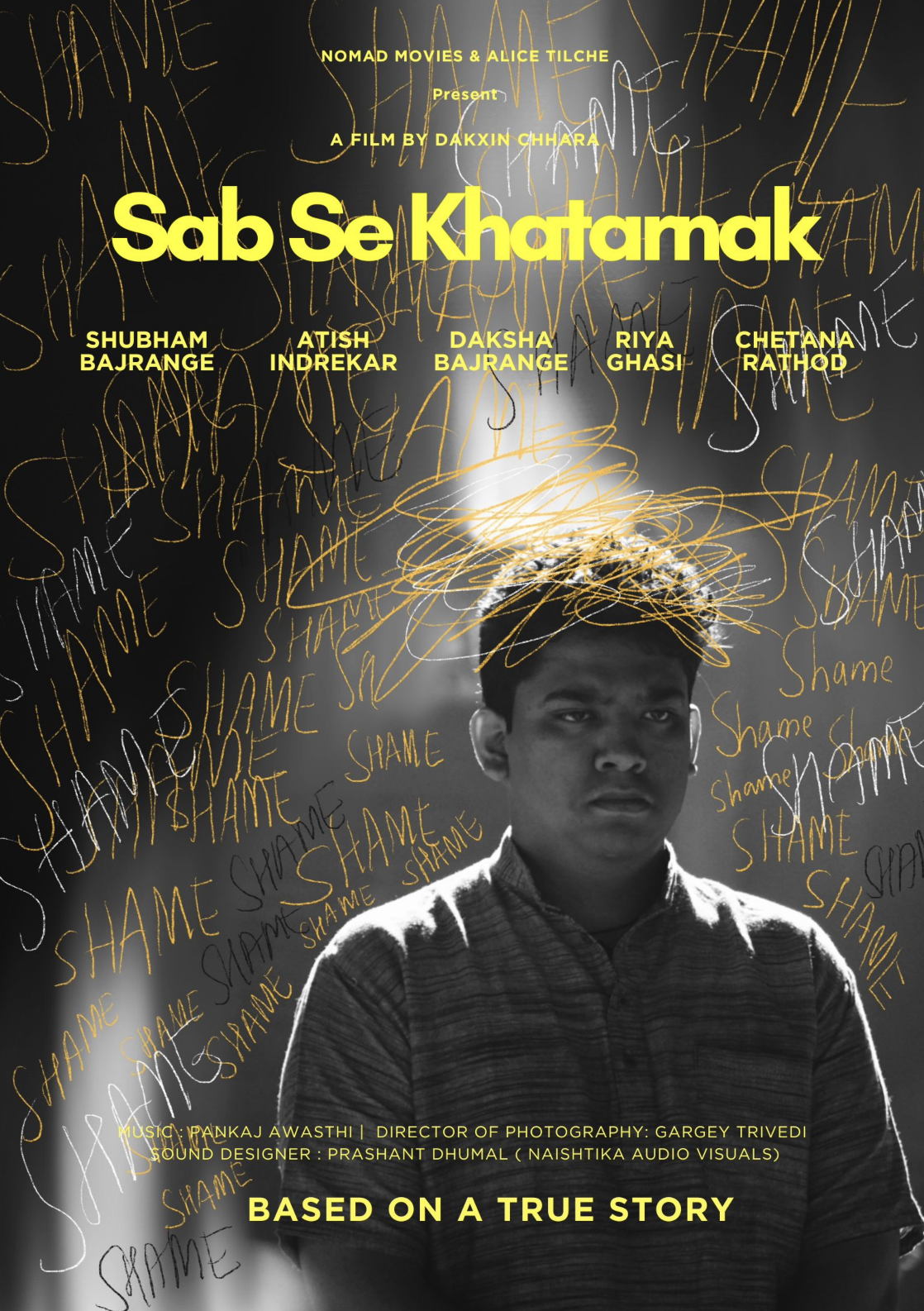
Shubham, a special child born into the Chhara Denotified Tribe, harbours a dream of becoming an actor. He finds hope and training in Budhan Theatre, a community-led initiative empowering marginalized voices. Despite enduring extreme poverty, his passion for acting remains undeterred. However, the deep-rooted stigma surrounding his community shuts him out of the education system, leaving him with no choice but to follow in his father’s footsteps as a thief. As he struggles against a destiny shaped by societal prejudice and colonial-era stigma, his story unfolds as a powerful reflection of how dreams are stolen from the oppressed.
Credits
Director and Editor
Dakxin Chhara
Producer
Alice Tilche and Nomad Movies
DOP
Gargey Trivedi
1st Assistant Cameraperson
Keyur Bajrange
2nd Assistant Cameraperson
Aayush
3rd Camera Assistant
Piyush
Location Sound
Prashant Dhumal
Sound Recordist
Prashant Dhumal
DI
Aninidya Ray
BGM
Pankaj Awasthi
Actors
Shubham Bajrange, Daksha Bajrange, Atish Indreker, Chetana Rathod, Riya Ghasi
Supporting Cast
Sunny Pattani, Krunal Panchal, Dakxin Chhara, Gehna Rathod, Kaikesh Ghasi, Natwarbhai, Prithvi Indrekar, Anish Garange, Frooty Tamaiche, Yogesh Pattani, Palas Indrekar, Vikas Bhogekar, Harivansh Gumanne, Tirup Bajrange, Tarun Bajrange, Bhavin
Music Director
Anish Garange
Singer
Tarun Bajrange, Sargam Rathod
Trailer BGM
Anish Garange
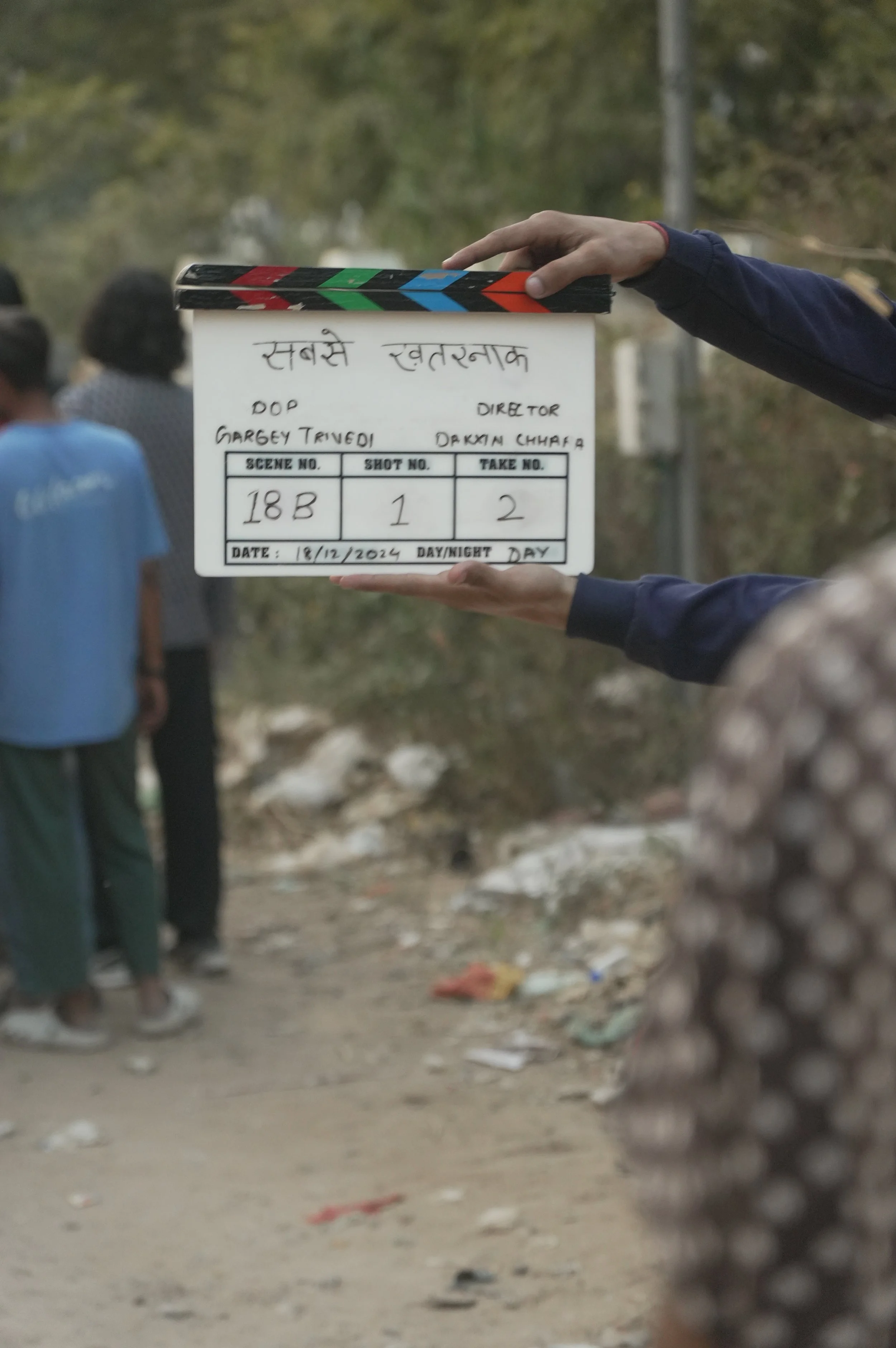
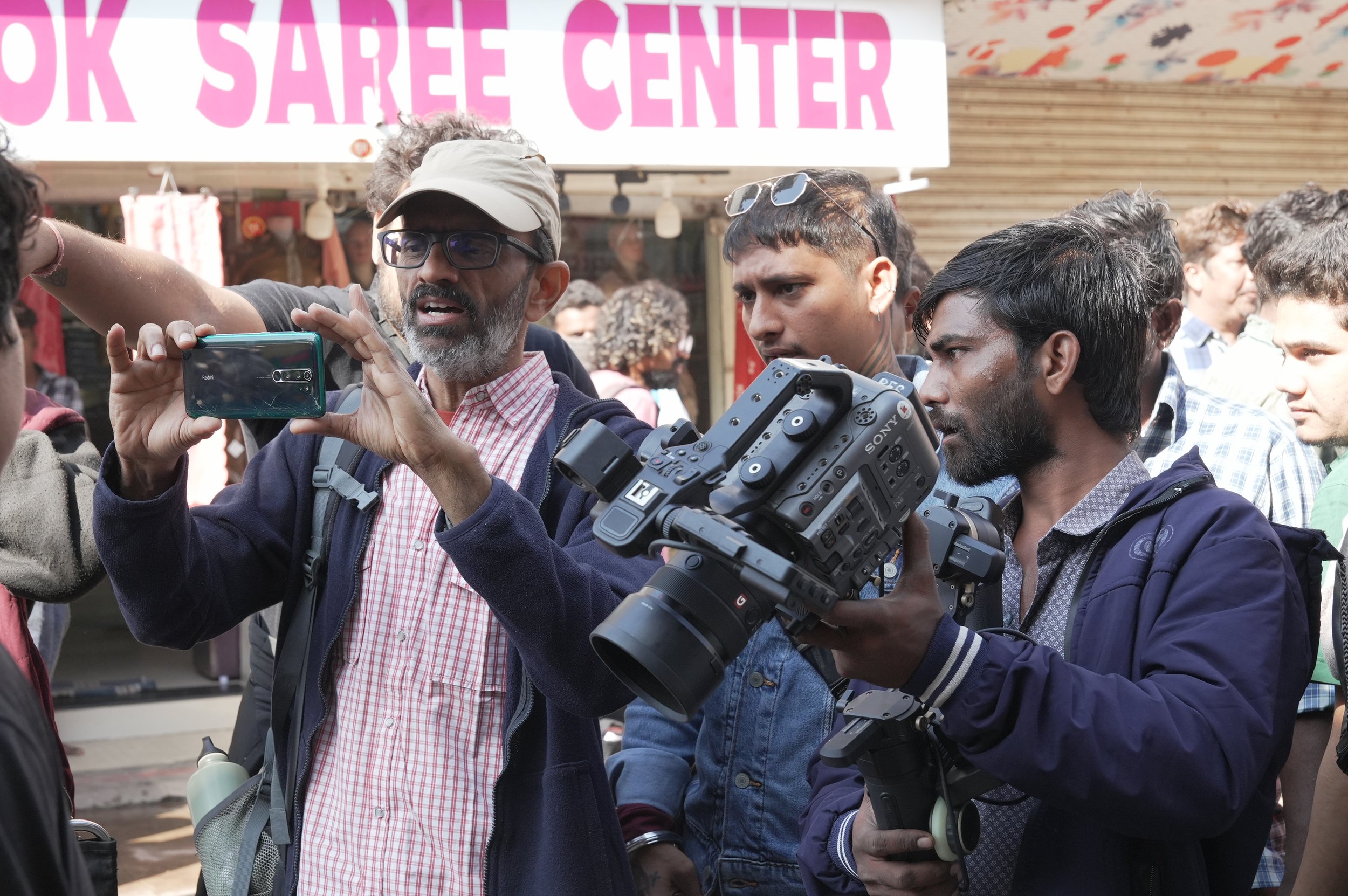
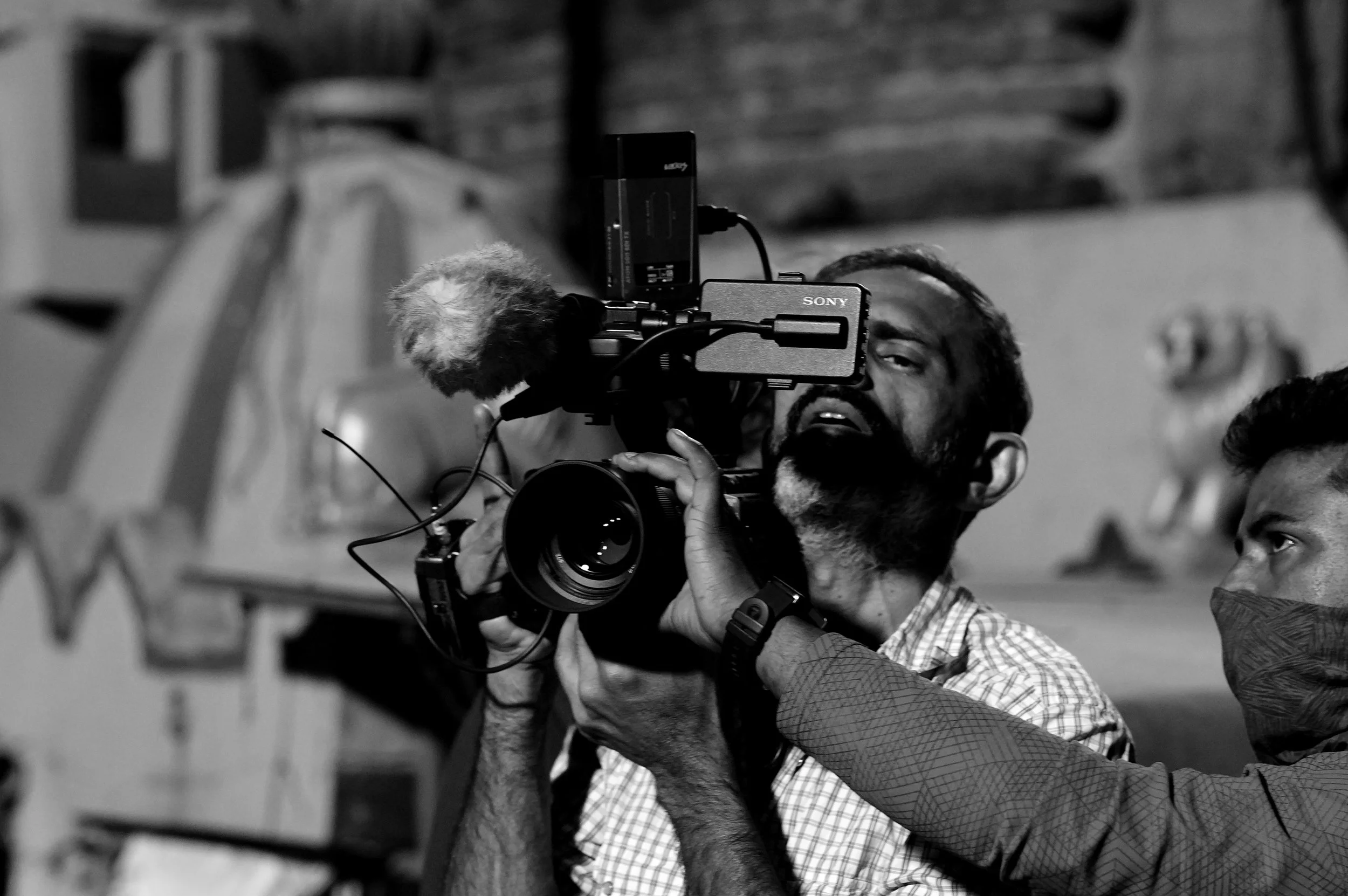
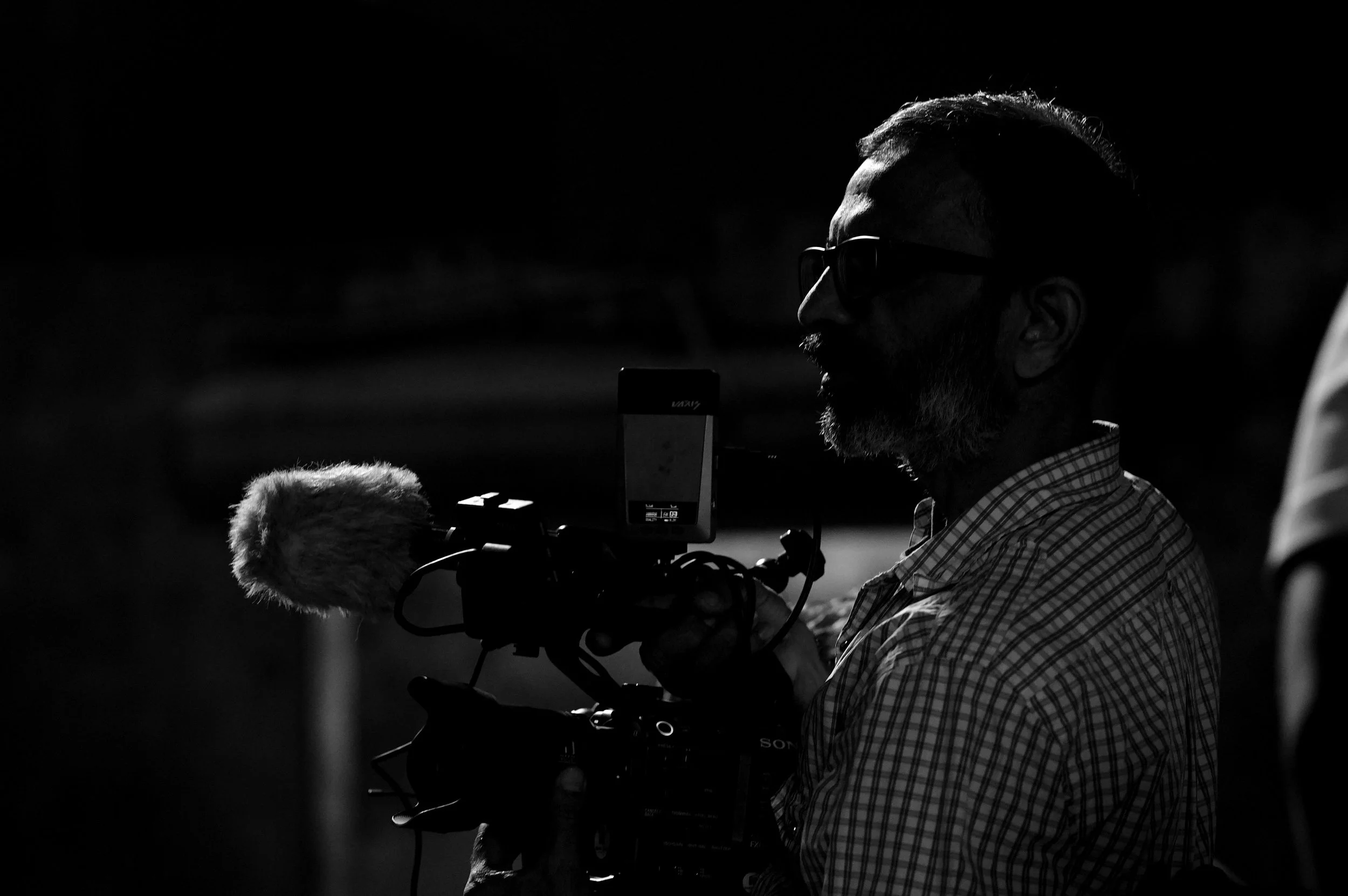
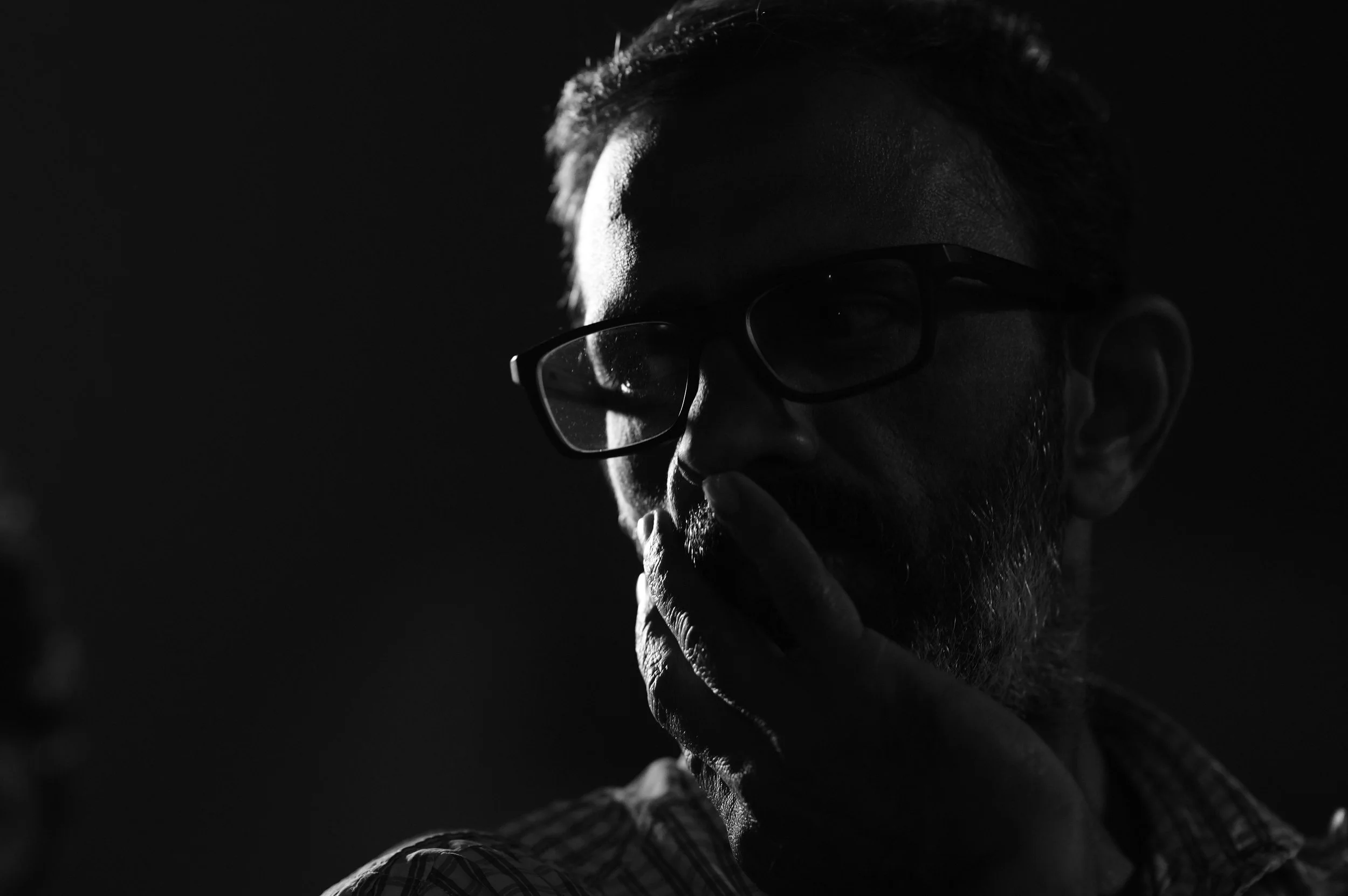
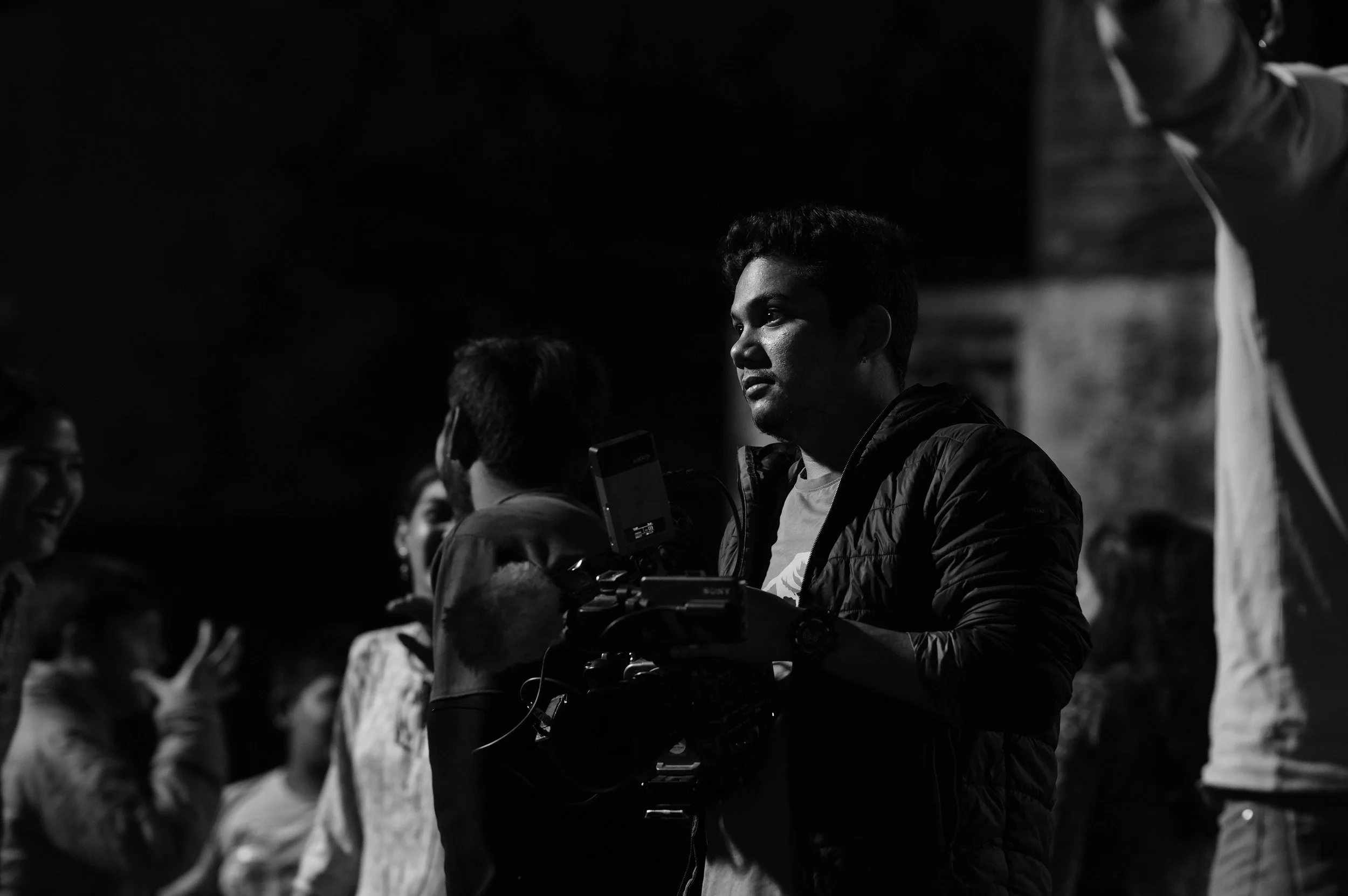
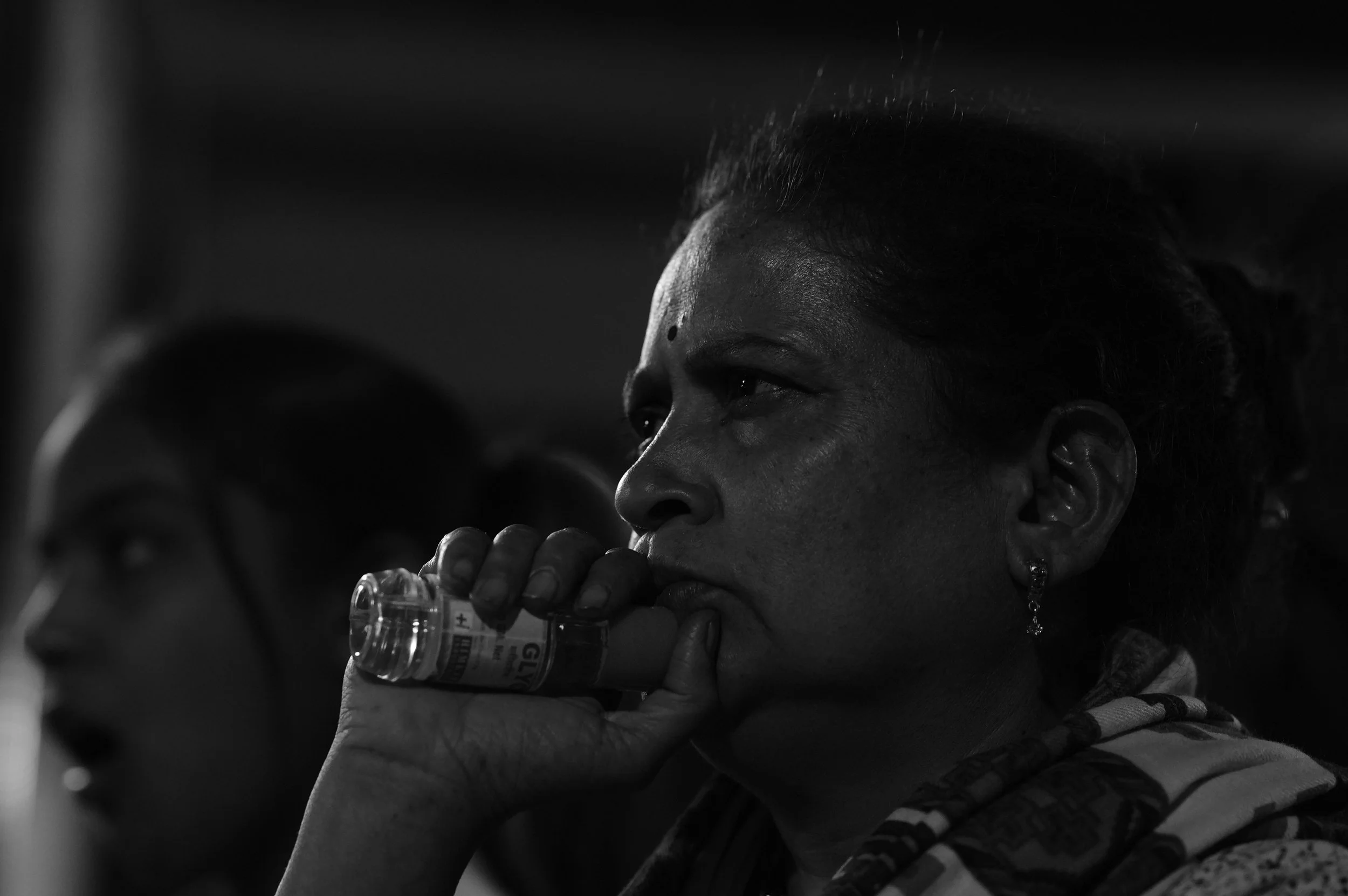
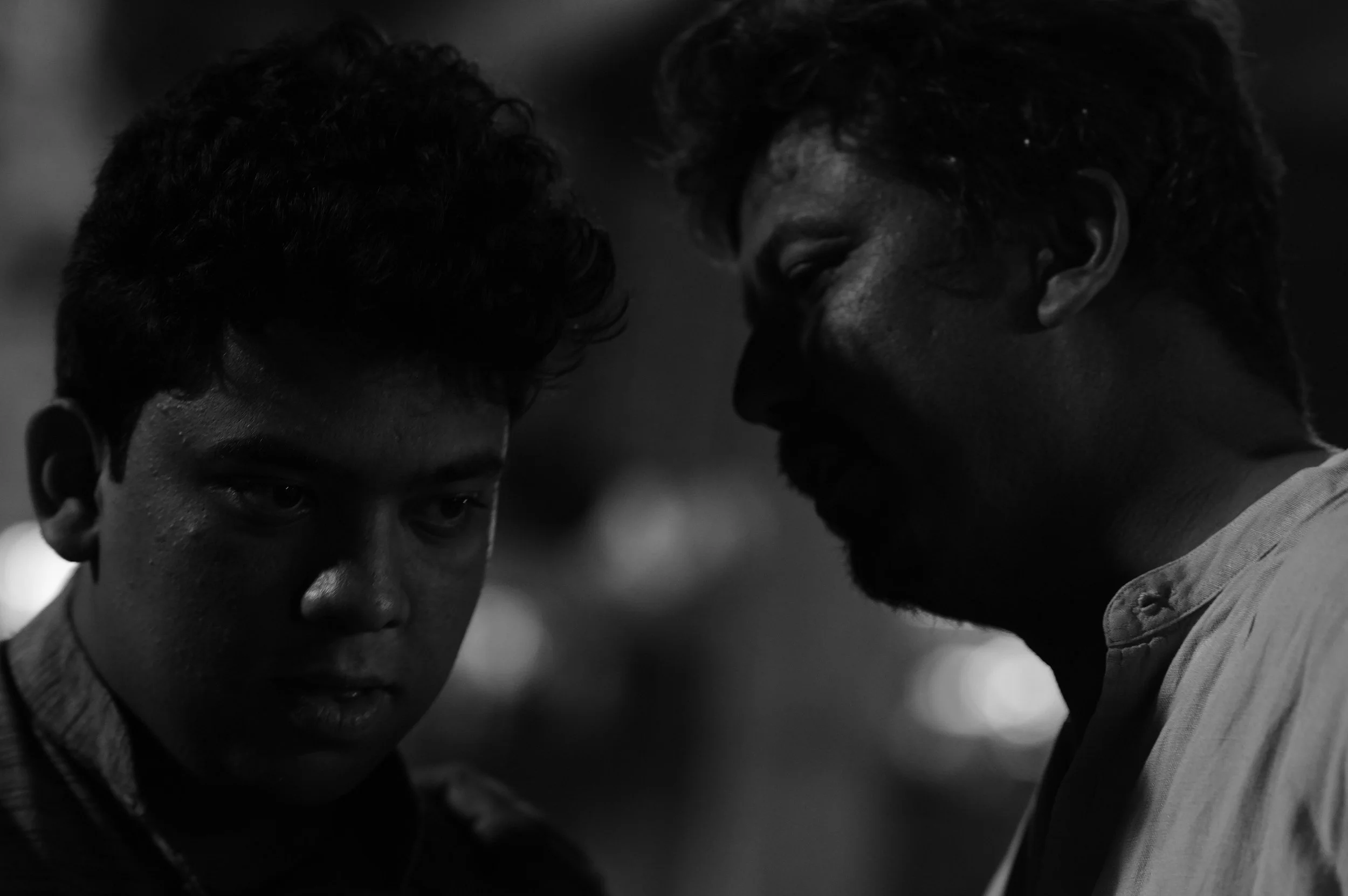
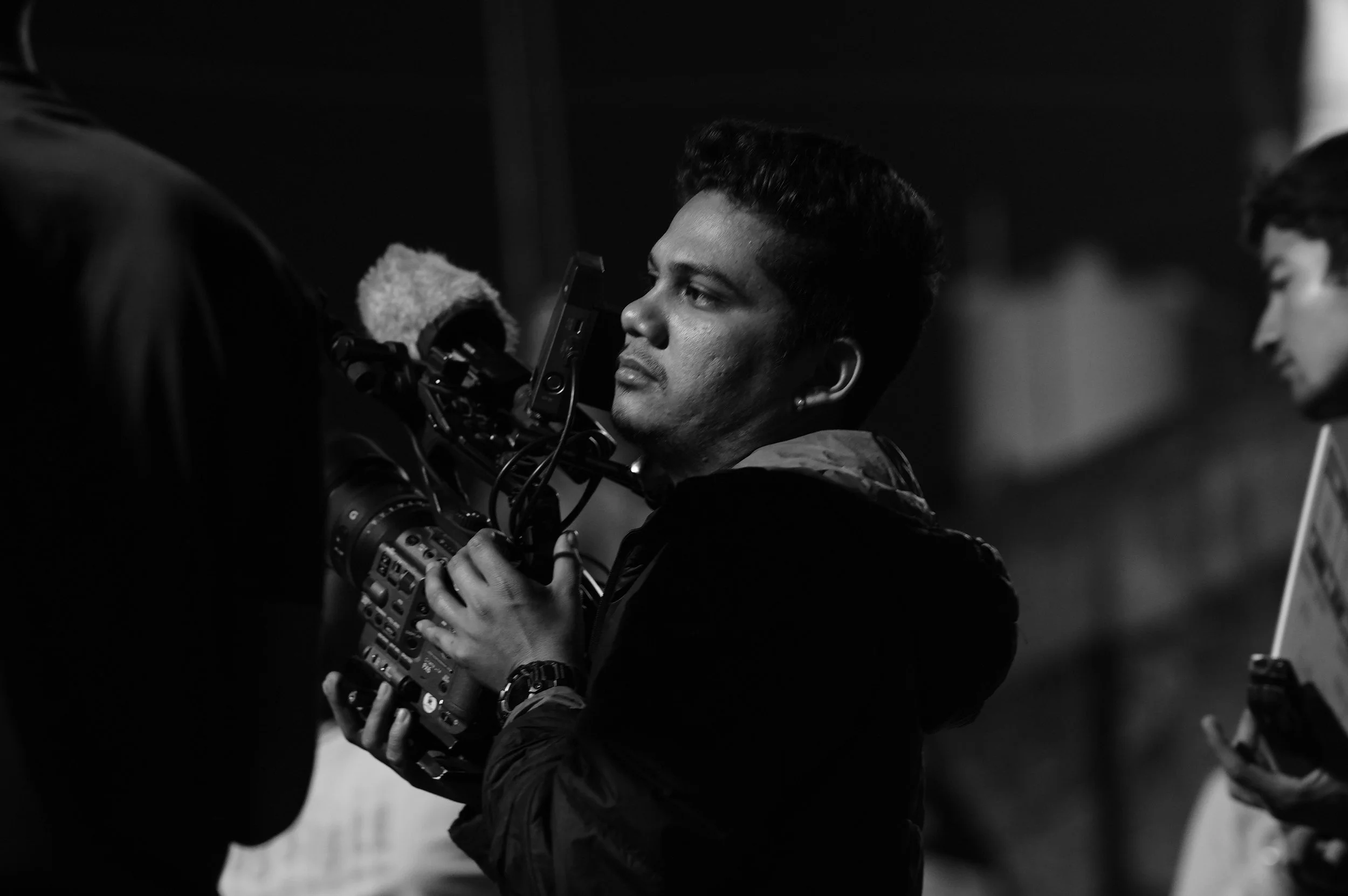
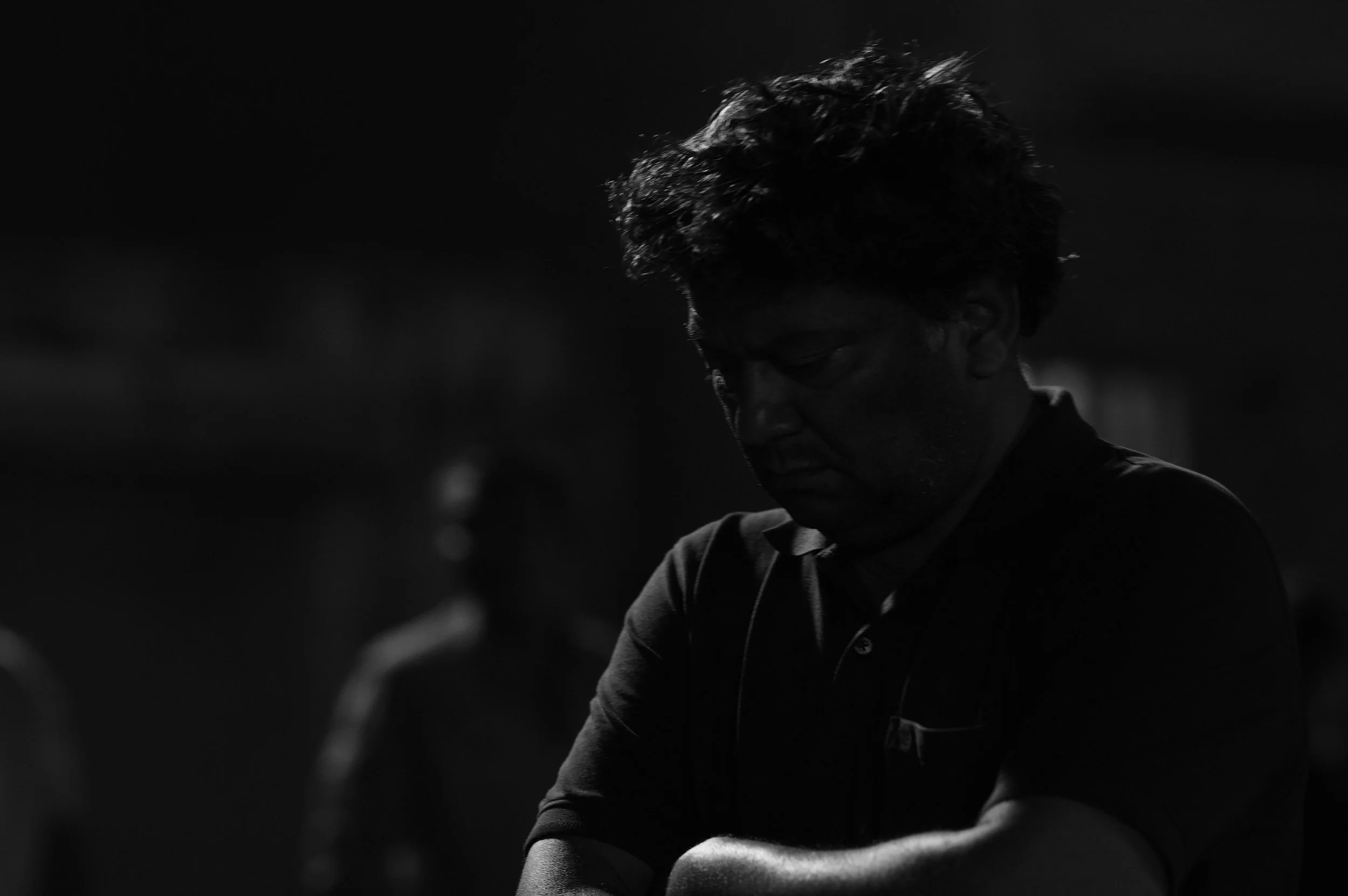
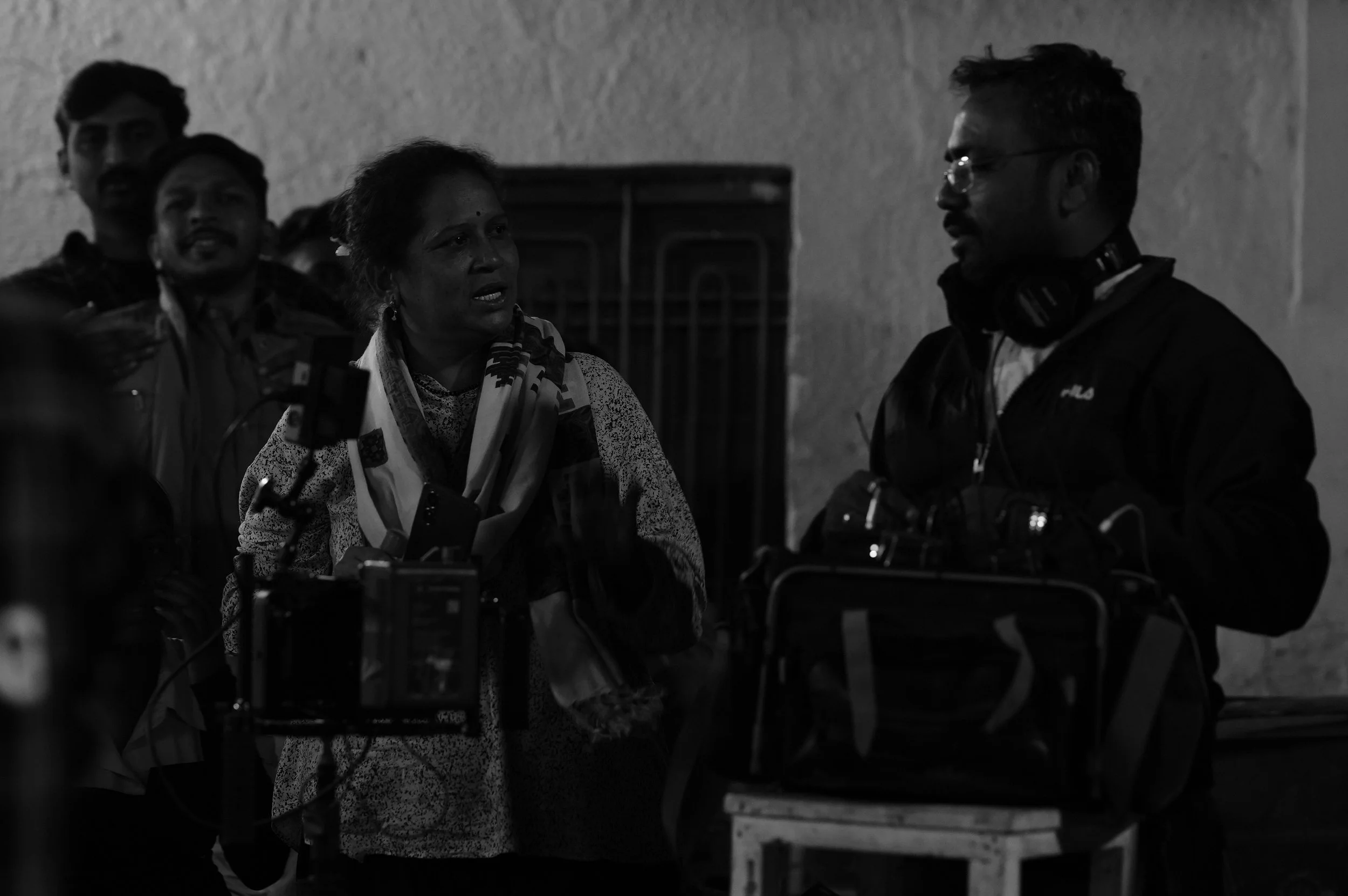
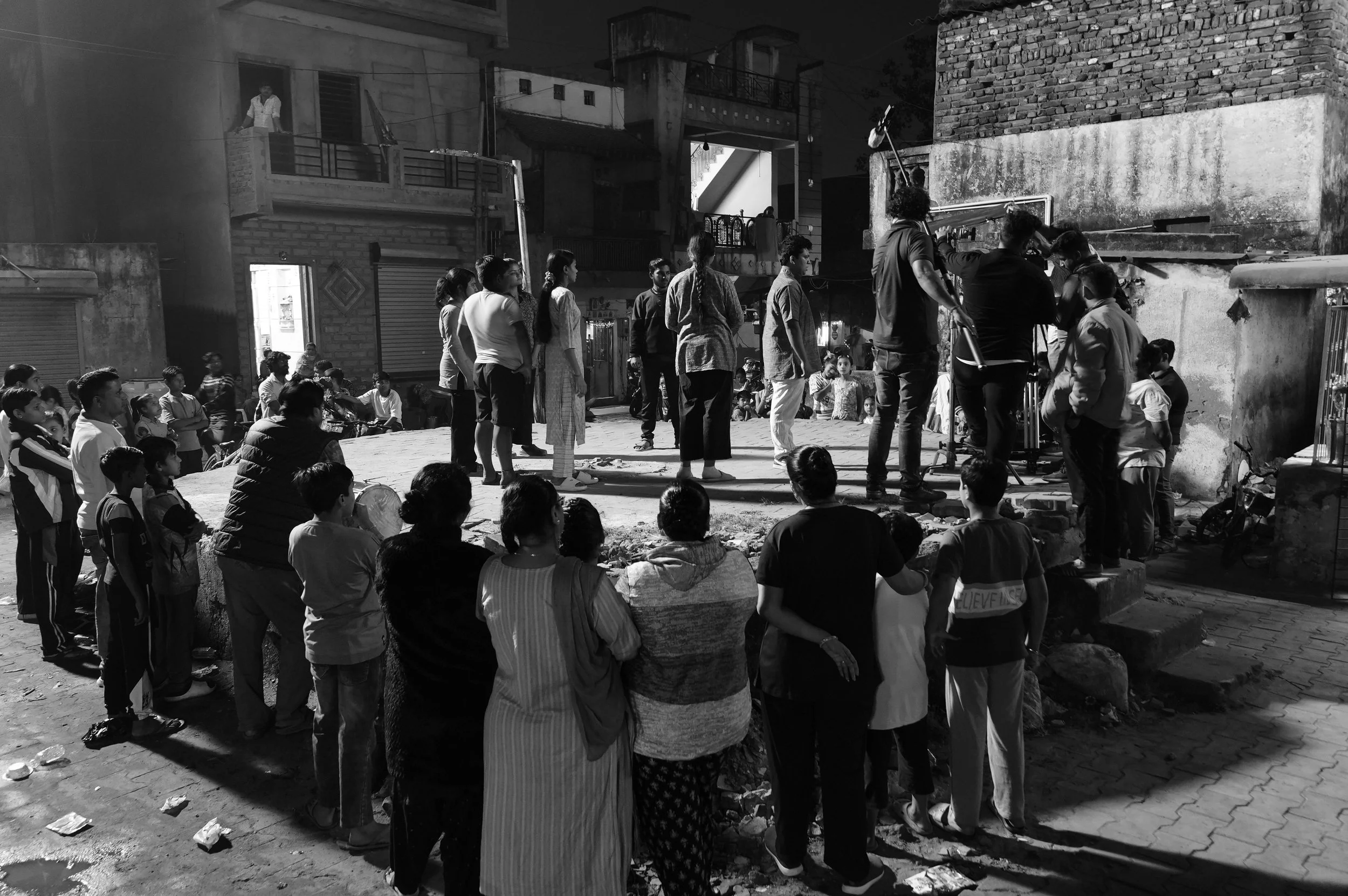
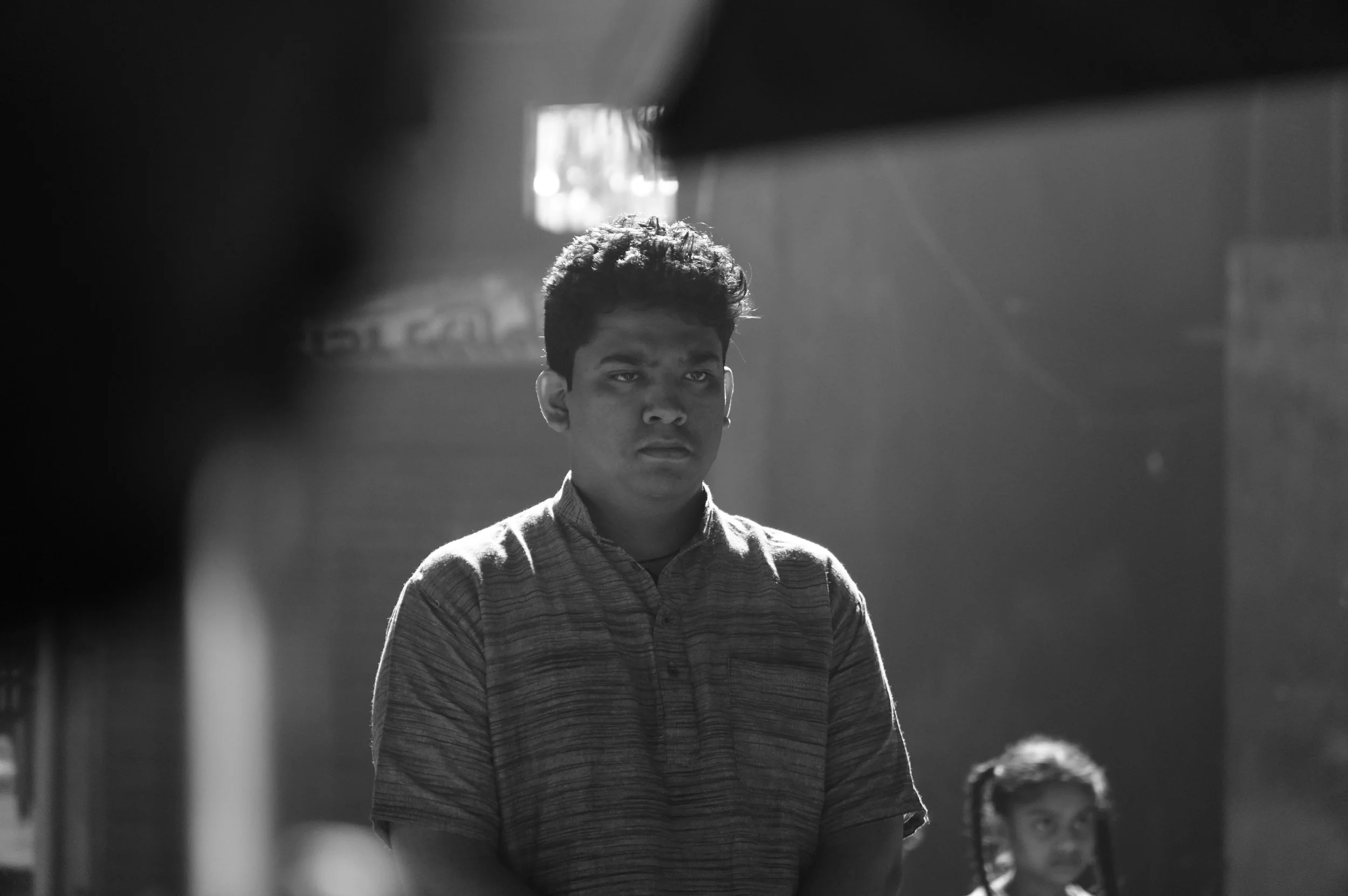

As a filmmaker, Dakxin has directed 70 fiction and non-fiction films on various development and political issues in India. His films are widely screened in film festivals and universities in India and abroad. He is the winner of the South Asia documentary film award Jeevika (2005) for his film ‘Fight for Survival’. His film on De-notified Tribes of India entitled ‘Birth 1871’, was screened at 11 universities in the USA and Canada and in 5 universities across the UK. From 2008 to 2010, he worked as an associate director with renowned documentary filmmaker Rakesh Sharma on three films around the political issues of Gujarat - Chet’ta Rejo, Khedu Mora Re, Kesariyo Kono. As a theatre director, he has also written and directed 11 plays and supervised 46 theatre productions of Budhan Theatre and performed in more than 700 shows in different parts of India. He has conducted a number of theatre workshops for community development in marginalised communities, schools, colleges and institutions, trained more than 300 actors and founded a number of theatre groups. He coordinated and organised Gujarat’s biggest community theatre festival called Ahmedabad Theatre Festival (ATF) in 2012.
Dakxin is the author of two books, ‘Budhan Bolta Hai’ (2010) published in Hindi and the play ‘Budhan’, published in Hindi and English by Bhasha Research and Publication Centre. His academic publications have appeared in Antipode: A Journal of Radical Geography, Liffey Press Ireland, Seminar India, Bhasha Research and Publication Centre, Penguin India, Malayalam Manorama, Budhan Newsletter and Padmagandha Publication. He has presented papers in many reputed national and international conferences in India, USA, UK, Canada and has given talks on theatre and film at the United Nations in 2007.

Director
Dakxinkumar Bajrange is an award-winning filmmaker, playwright, director and activist from the Chhara De-notified Tribe of Ahmedabad, in western India. He received the Ford Foundation International Fellowship (2010-11) to study Theatre and Global Development at the University of Leeds, UK. His book ‘Budhan Bolta Hai’ (Budhan Speaks) was awarded the first prize for "Mahatma Gandhi Best Creative Writing on Human rights" by National Human Rights Commission (NHRC) in 2010-11. He is a recipient of the Rajiv Gandhi Arts Fellowship (2004-05) and Bhasha Fellowship (2002-03) to study art forms of nomadic and de-notified communities in Gujarat. Currently, he works as the Artistic Director at Budhan Theatre, a community theatre group of the Chhara de-notified tribe of Gujarat. He is also the founding director of Nomad Movies Pvt. Ltd, which provides production and post-production facilities to make fiction and non-fiction films.
Producer
Alice Tilche is a lecturer in Art, Anthropology and Museum Studies at the University of Leicester, UK. Her research at the intersection of art and activism employs visual, collaborative and arts-based methods to research social transformations. Recent research includes work on the cultural politics of indigeneity, migration, nationalism and most recently Covid-19. Her new book Adivasi Art and Activism: curation in a nationalist age was published with Washington University Press in 2020.
Alice has collaborated with Dakxin Bajrange on a series of film projects including the films Sundarana (2011) and Broken Gods (2019), which have been selected for a number of international film festivals. Alice and Dakxin are currently collaborating on a series of visual art and research projects looking at the experiences of the pandemic among some of India's most marginal indigenous communities. Alice’s work has been funded by the Wenner-Gren Foundation, the British Academy, the Leverhulme Trust and the Arts and Humanities Research Council UK among others.